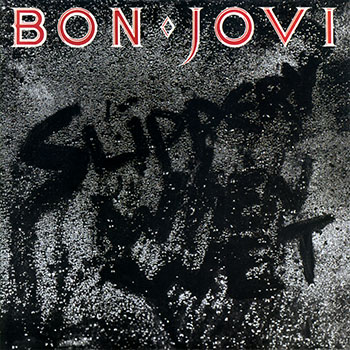
New Jersey rockers Bon Jovi exploded onto the music scene with their self-titled debut album in 1983, but it was their third album, multi-platinum Slippery When Wet, that truly cemented their status as mainstream superstars. While I wouldn't consider Bon Jovi to be "metal" by any currently accepted definition of the term, especially given their more recent material, there is a bit more of a rock edge to their early material that got smoothed down beginning with this album. I would consider their earlier material to be a guilty pleasure of mine if I actually felt guilty about any of my musical tastes. Bon Jobi has always had a strong pop sensibility to their sound, and Slippery When Wet plays pretty strongly to this demographic. Its original release in 1986 was followed up twelve years later by a newly digitally remastered version. How does the remaster compare to the original?
Let It Rock
Original 1986 CD release
1998 CD remaster
You Give Love a Bad Name
Original 1986 CD release
1998 CD remaster
Livin' on a Prayer
Original 1986 CD release
1998 CD remaster
Social Disease
Original 1986 CD release
1998 CD remaster
Wanted Dead or Alive
Original 1986 CD release
1998 CD remaster
Raise Your Hands
Original 1986 CD release
1998 CD remaster
Without Love
Original 1986 CD release
1998 CD remaster
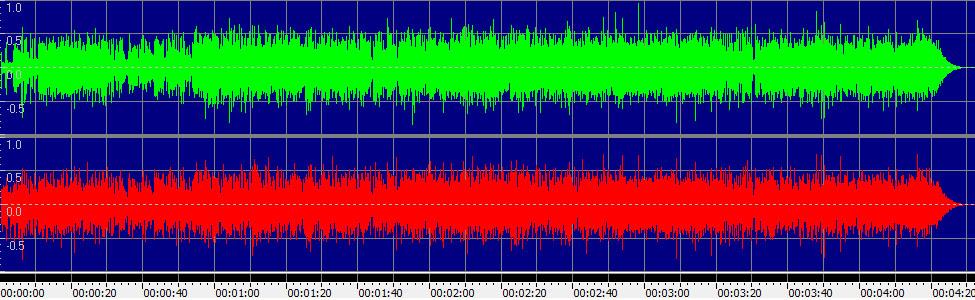
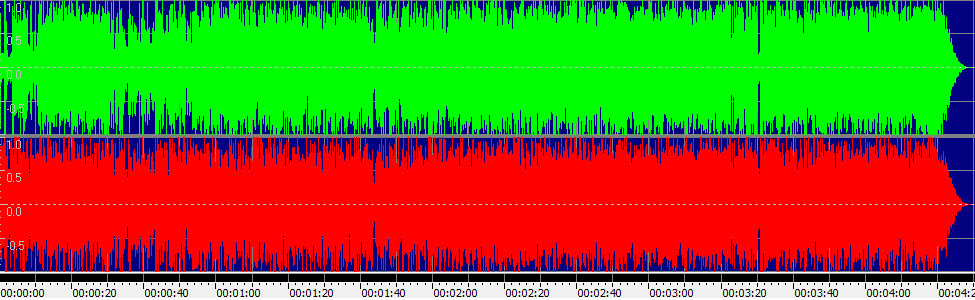
I'd Die for You
Original 1986 CD release
1998 CD remaster
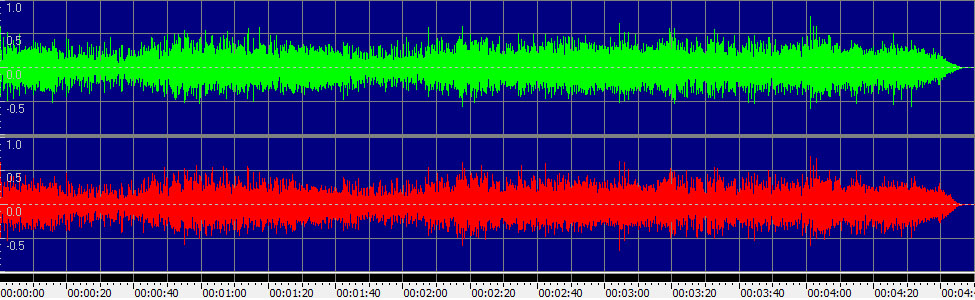
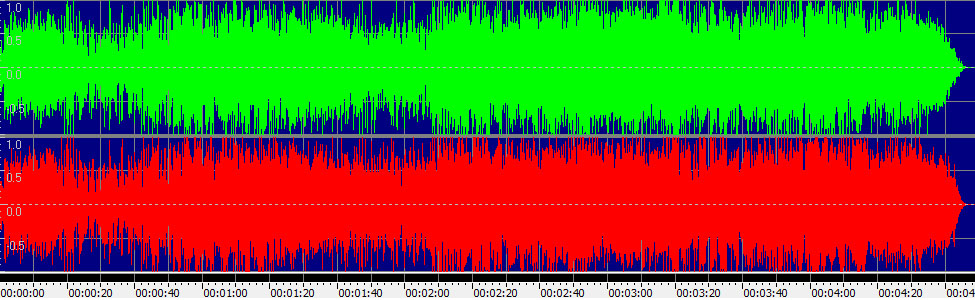
Never Say Goodbye
Original 1986 CD release
1998 CD remaster
Wild in the Streets
Original 1986 CD release
1998 CD remaster
And the winner is: Original 1986 CD release.
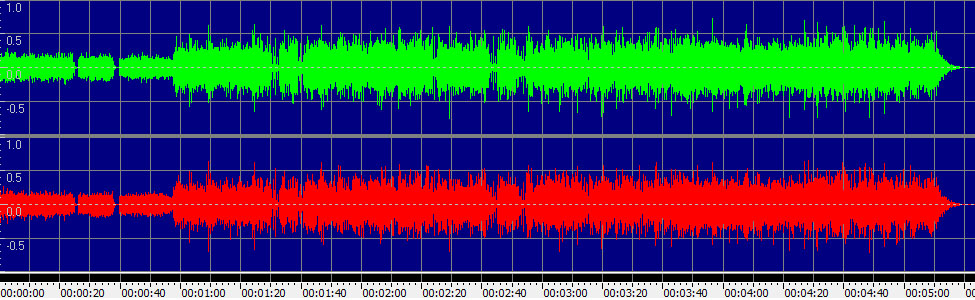
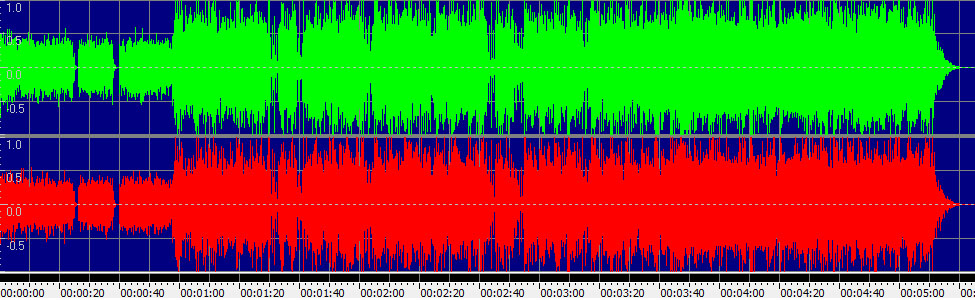
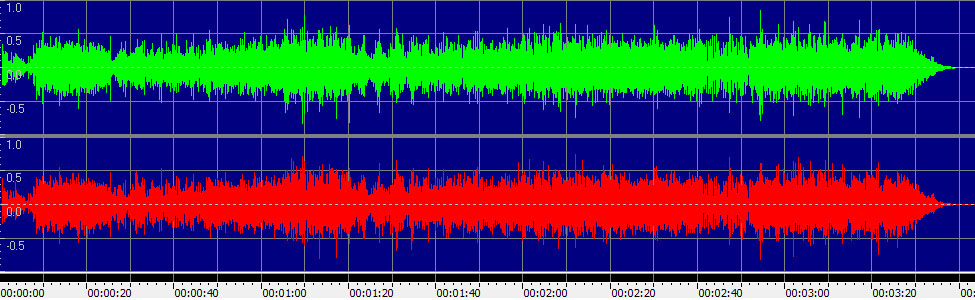
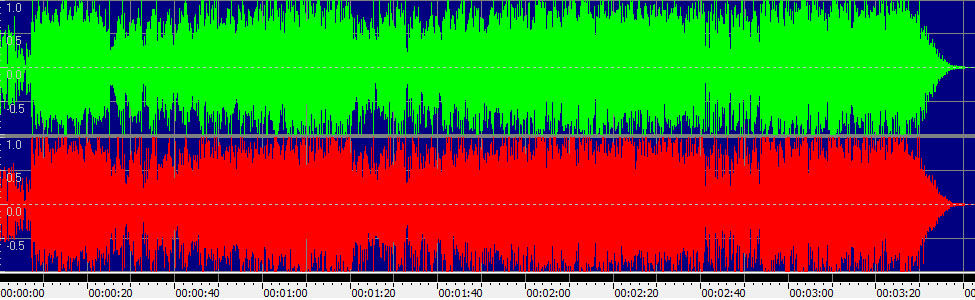
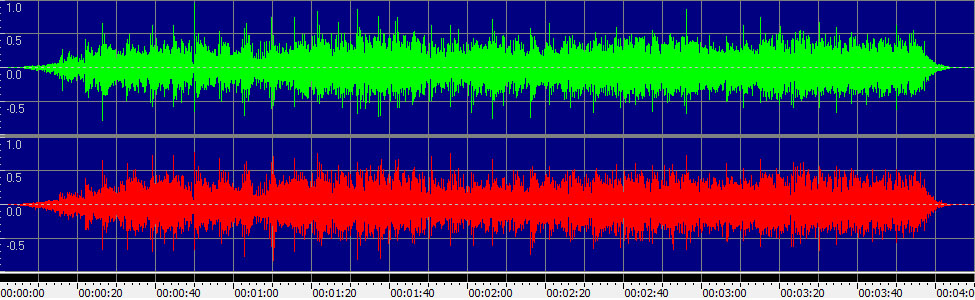
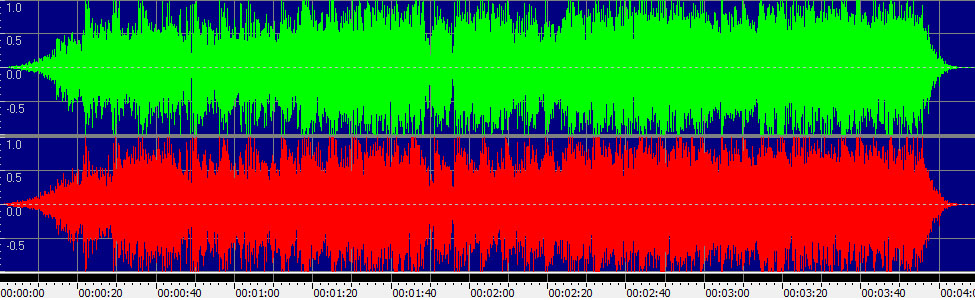
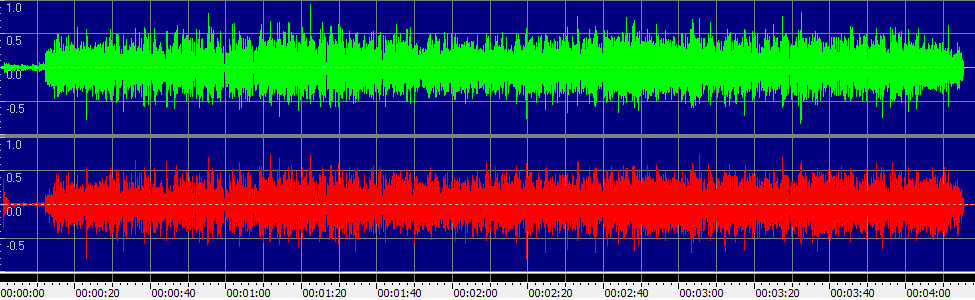
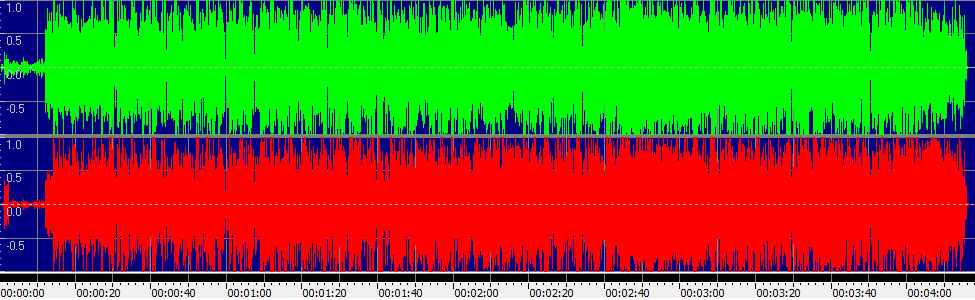
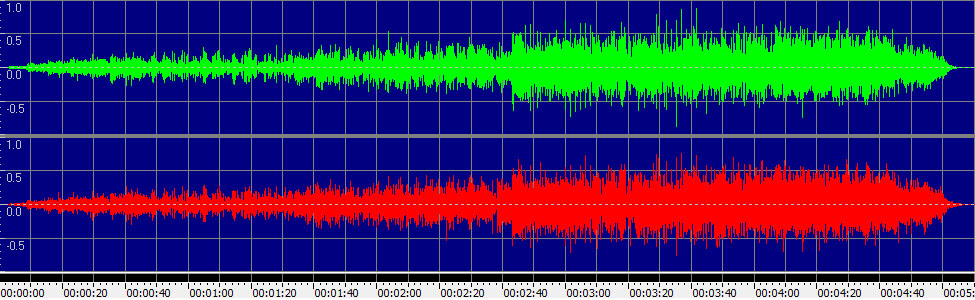
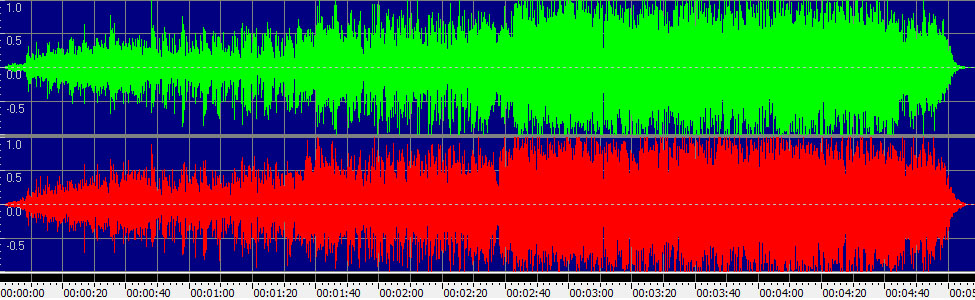
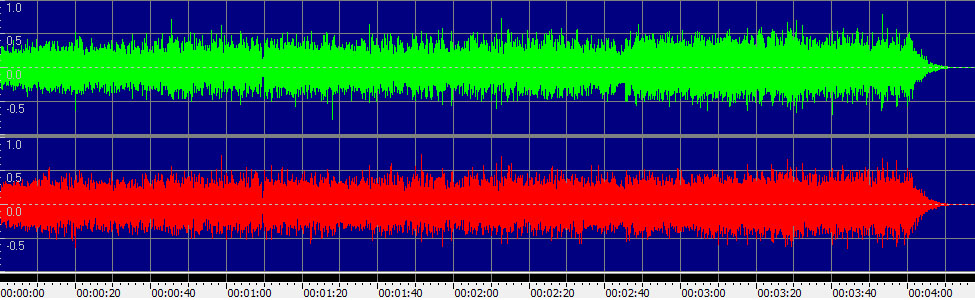
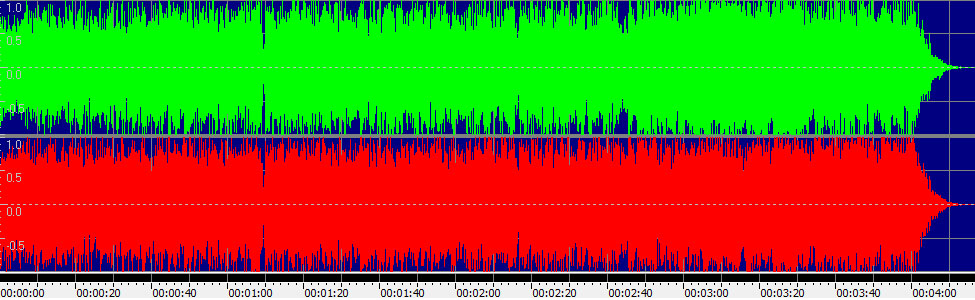
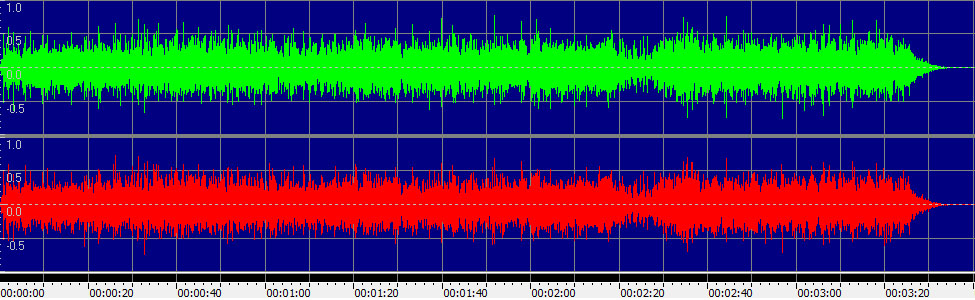
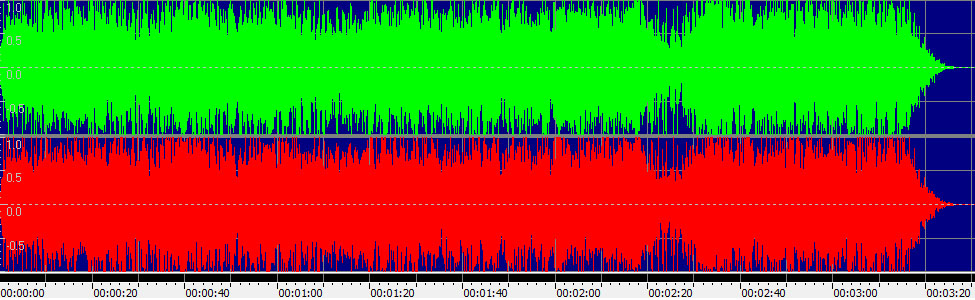
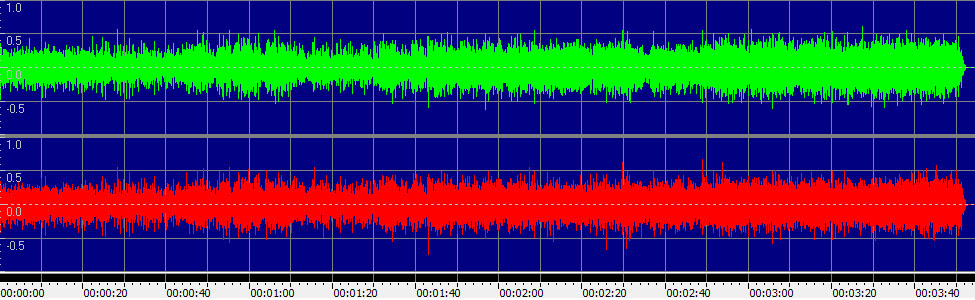
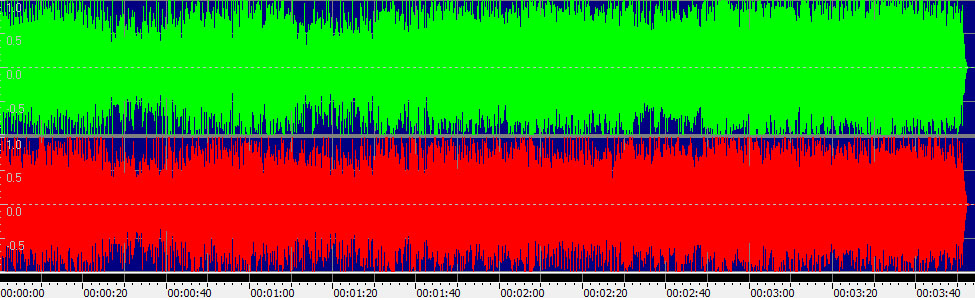
Here we have a very clear example of what happens when old albums get the modern "remastering" treatment, and a perfect example of why you should generally avoid newer reissues of classic albums. The waveforms here truly do say it all. The very first song I played for this comparison was the album's biggest classic, "Livin' on a Prayer," and it was immediately obvious that the overall coloring of the sound has been altered on the remaster. I've known this song (and album) for most of my life, so the remaster was already entering the competition at a severe disadvantage due to my extreme familiarity with the original material. And the results are just what I'd feared they would be. Overall, the remaster has more of a "boxed in" aspect to the sound, which is the best way I can think of to characterize the vibe. This type of compression being applied to older material always affects the drums most prominently, and that is definitely the case here - it's almost as if the original recording engineer was going for more of a "big 1980s" drum sound but tamped down the dynamics too much to quite pull it off. Except, of course, that wasn't ever the case, and the sound we get on the remaster is due entirely to someone deciding to push up the volume by seven decibels, headroom be damned. On the album's other big upbeat hit, "You Give Love a Bad Name," the overall excitement engendered by the performance is tamped down relative to the original release, such that even Richie Sambora's blistering guitar solo can't recover all of it. This is the case on all of Slippery's harder rocking stretches, though nowhere is it more destructive than on the last half of "Wanted Dead or Alive." Remember that big build up, crescendo, and long resolution with the powerful vocal and guitars? Prepare to be underwhelmed. Is the remaster listenable? Definitely. Is it the best choice for full appreciation of the music? Definitely not. The 1986 disc is widely available in the secondhand market, and given that the 1998 disc offers nothing in the way of extra material, bonus tracks, liner notes, or photos, this is a pretty easy win for the original CD release.