P.A.O. Productions

Search the site
Search the site
Search the site

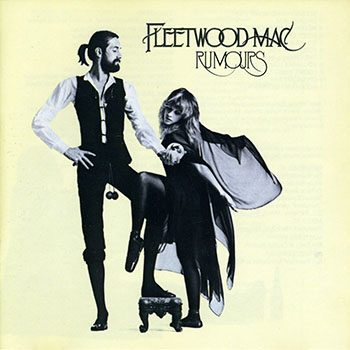
1975's Fleetwood Mac, not to be confused with the earlier, retroactively renamed 1968 debut album Peter Green's Fleetwood Mac, ushered in the band's most successful period, adding guitarist Lindsey Buckingham and singer Stevie Nicks to the lineup and scoring strong chart successes in the U.S. and abroad. But it was the follow-up, 1977's Rumours, with which Fleetwood Mac would see their greatest ever success. Overcoming singularly serious turmoil within the group, the five members of Fleetwood Mac managed to produce a bona fide classic. I've been a fan of the band for a long time, initially discovering them in the mid 1990s via this album and subsequently delving head first into their back catalog. I enjoy listening to many of the group's deeper cuts and to most of their album releases going back to the very beginning. As such, I feel I'm qualified to comment on the sound of a remaster of Fleetwood Mac's most popular album. How does it fare when compared to the original 1984 CD release?
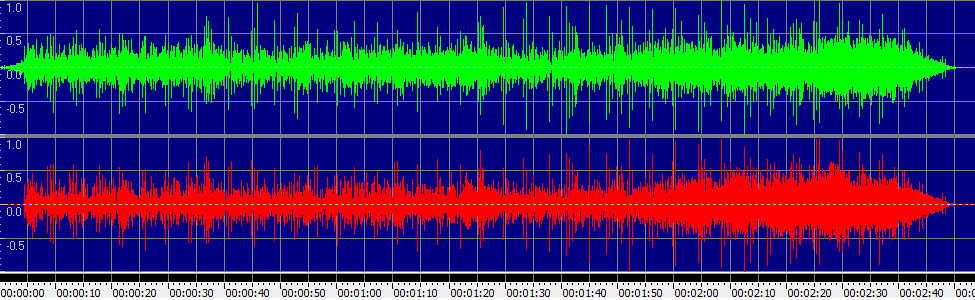
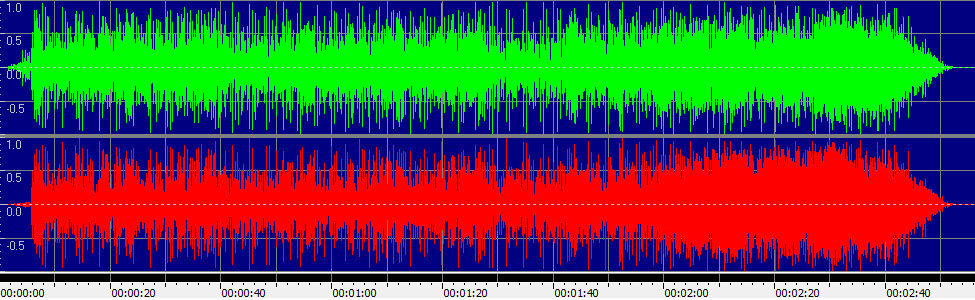
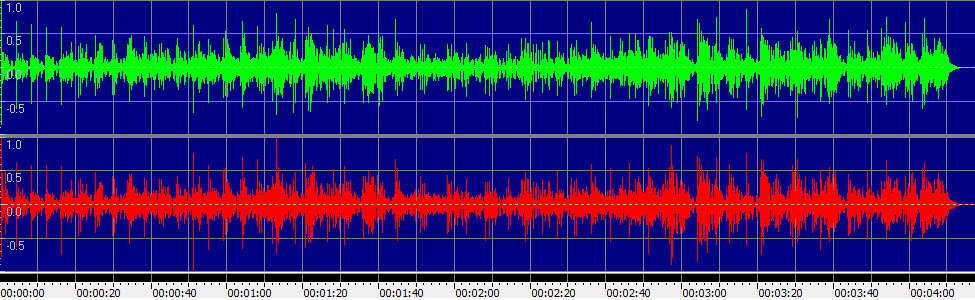
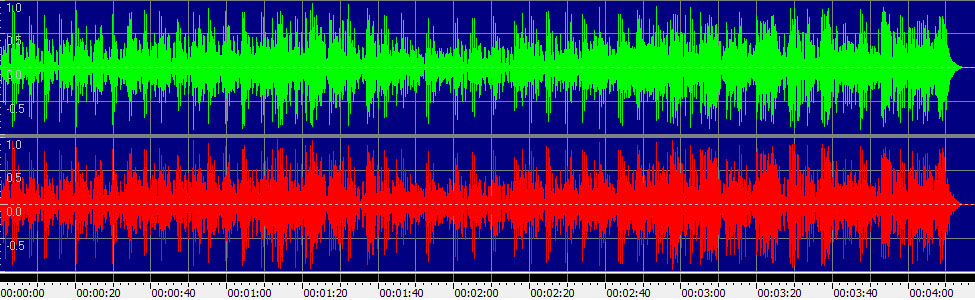
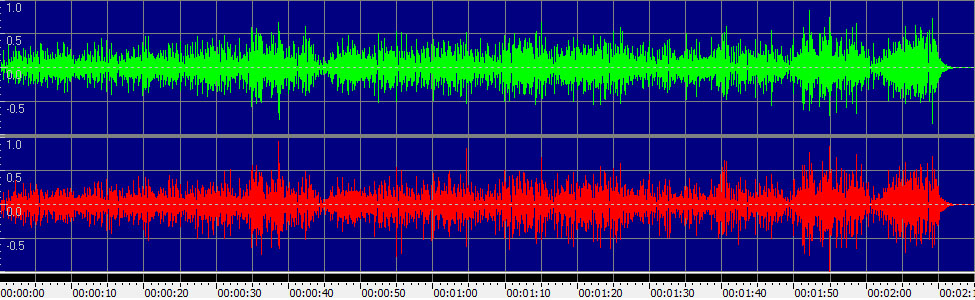
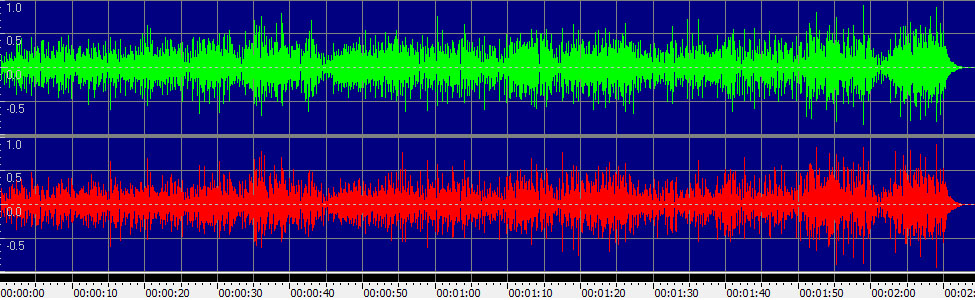
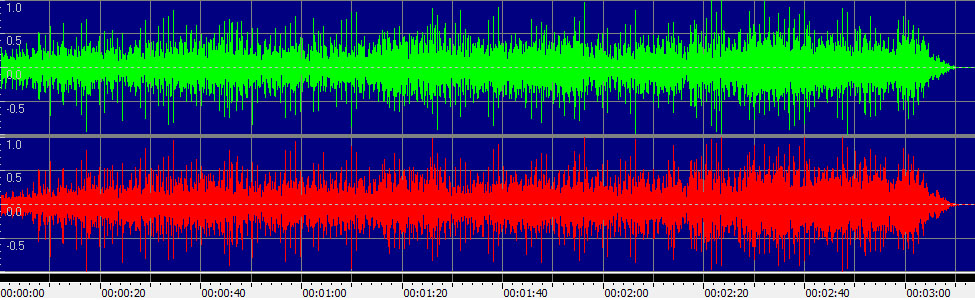
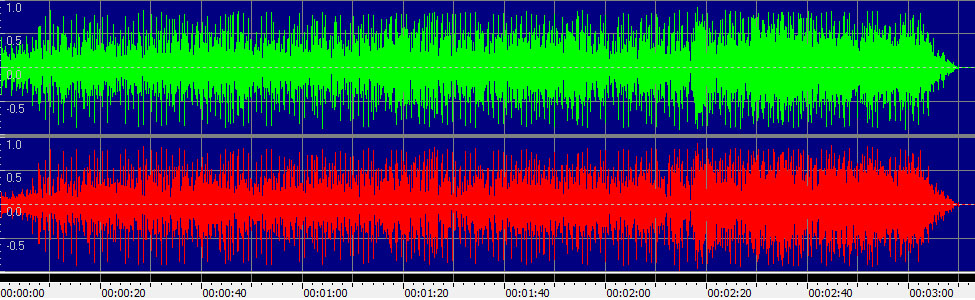
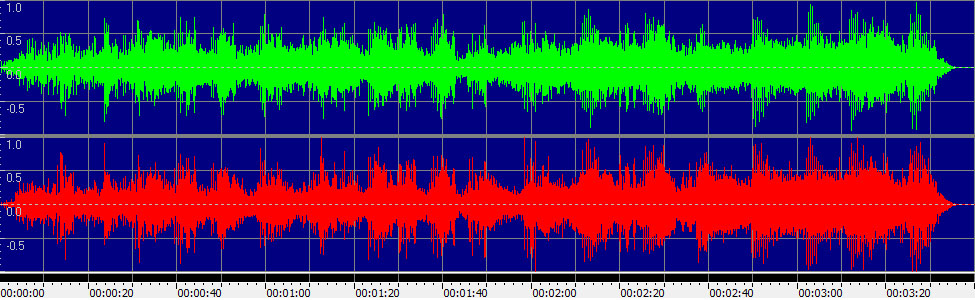
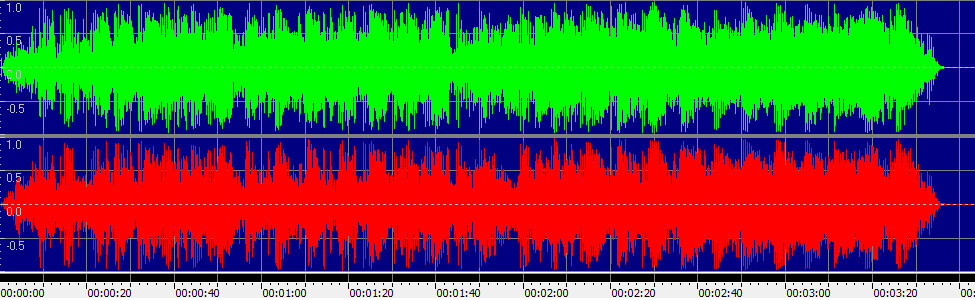
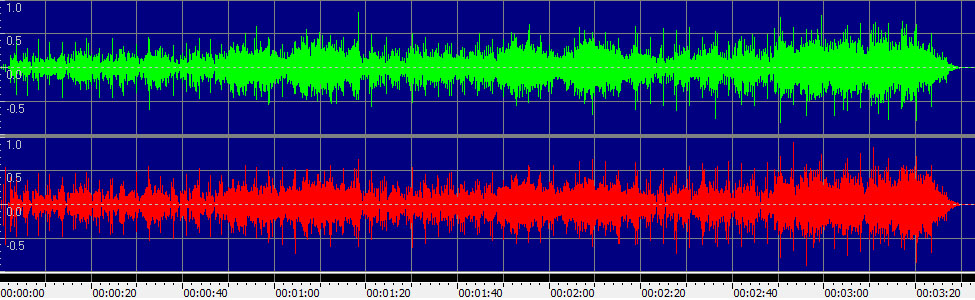
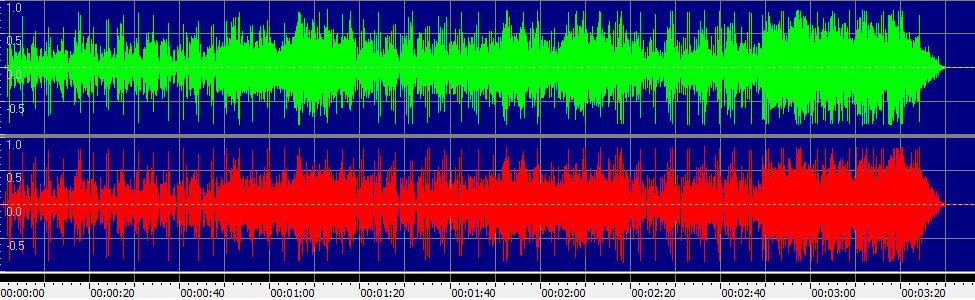
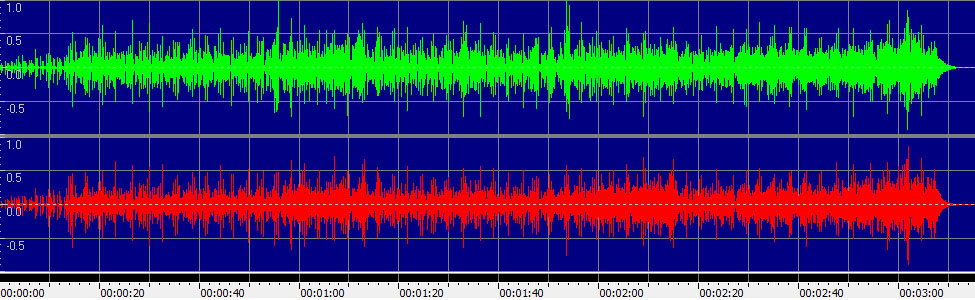
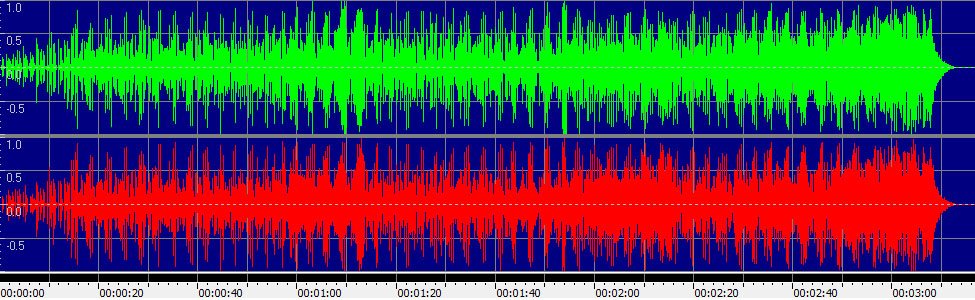
Now, the negatives. "Silver Springs" has been inserted between "Songbird" and "The Chain," right at the side transition on the original LP, and not at the end where it should have been placed. This disrupts the original intended flow of the album, which, lest it be forgotten, was one the biggest-selling albums recorded by a group for some years following its release. It would seem that they did something right with the original running order, among other factors. Secondly, the bonus material, to be frank, consists of a collection of forgettable and at times dreary material that in my opinion was better left on the cutting room floor. I don't find the outtakes and demos to be of much interest as anything other than curiosities, and the "jam session" tracks are meandering at best and downright boring at worst. The bonus material often comes across sounding uninspired, at least to my ears, and isn't of sufficient quality or interest to warrant a listen unless you're a Fleetwood Mac completist.
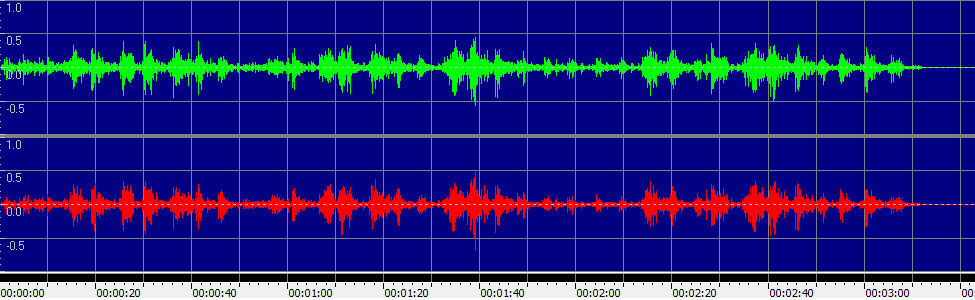
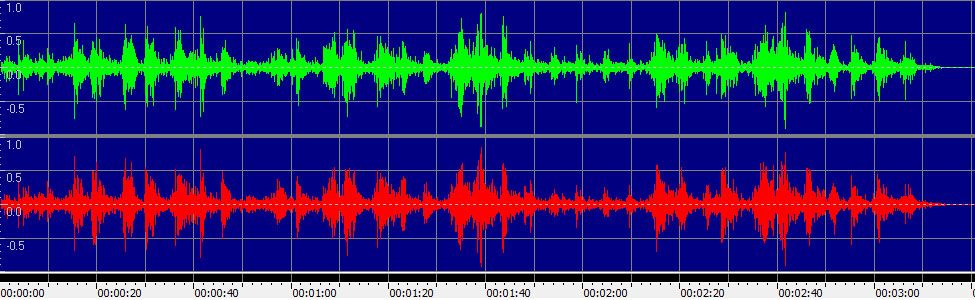
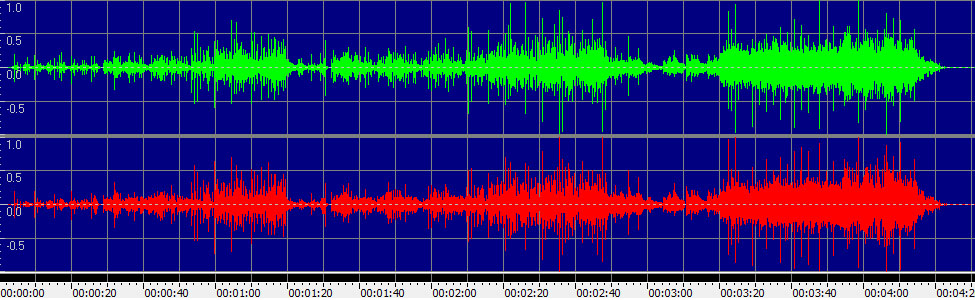
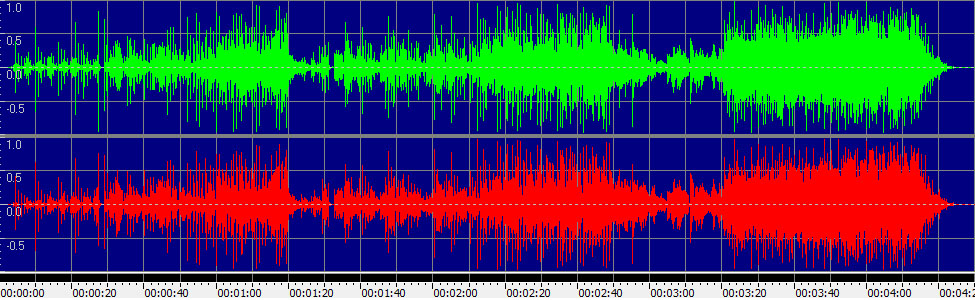
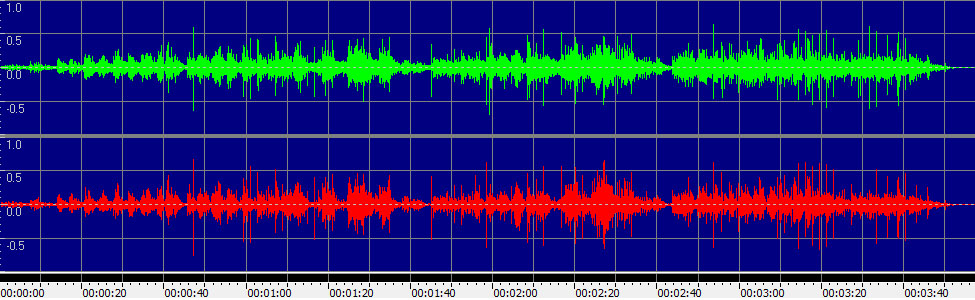
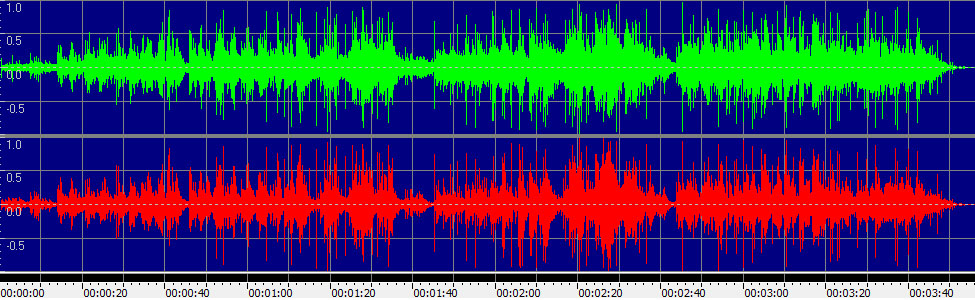
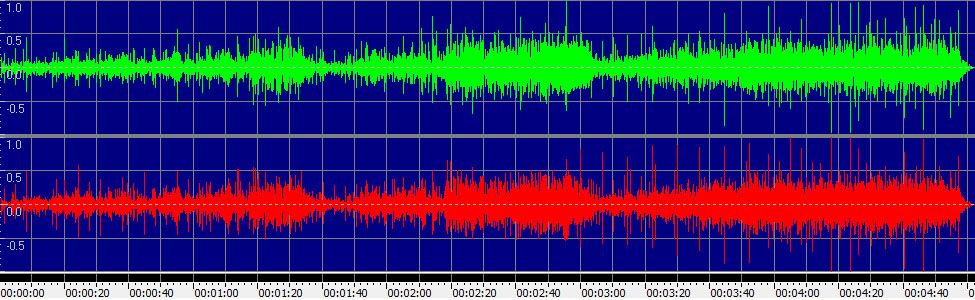
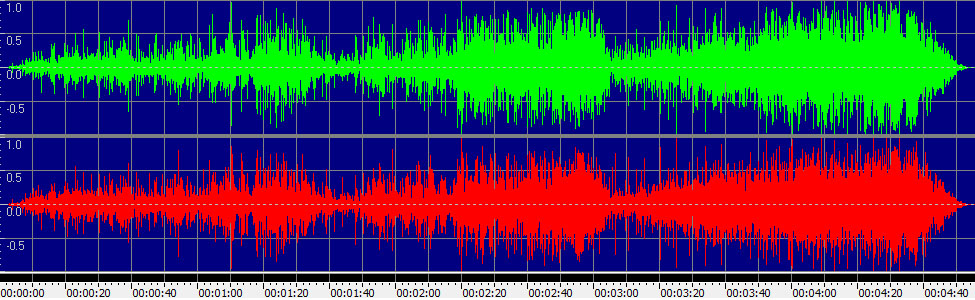
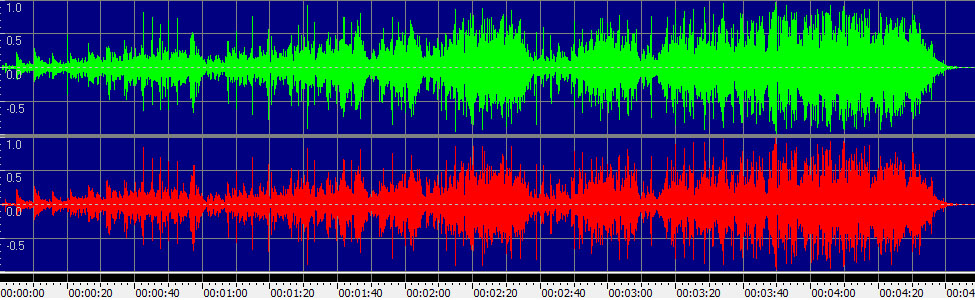
Where the 2004 release really gets me, though, is in the mastering. This album just does not sound right to me. I should note that I am very familiar with Rumours, having been a huge Fleetwood Mac fan back in the day and possessing literally all the band's studio albums all the way back to 1968. I long ago lost count of the number of times I've listened to this, and having it both on original 1977 vinyl and the original CD release, I couldn't help but notice that things sounded notably less exciting the first time I listened to the remaster. At the time I couldn't articulate just why this was, but the difference was noticeable enough that my at the time untrained ears could pick up on it. Even before I was aware of the phenomenon of dynamic range compression on compact disc releases, I could still hear that something was wrong. And that speaks directly to why the remaster is the loser in this comparison.