Close Button
Lionel Richie - Can't Slow Down
Album Comparisons: Can't Slow Down
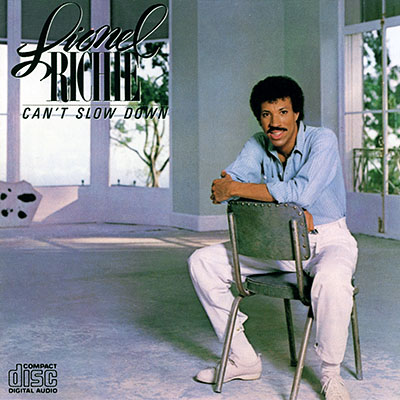
Lionel Richie is legendary. That statement isn't saying all that much, but it also says a lot. Richie practically owned the pop and R&B charts for a good portion of the early 1980s, penning hugely successful singles for Kenny Rogers and Diana Ross before departing the Commodores and setting out on his own. Can't Slow Down, released in October 1983, was the second in a string of three very popular albums by Richie during the decade, released during a time period that many consider to be his most musically fertile. I happen to be one of those people, and so having the best sounding edition of the album possible is a win for me. Due to certain mastering considerations applicable to the album's original CD release, I decided to acquire a copy of the 2003 "Deluxe Edition." Which version ultimately wins out?
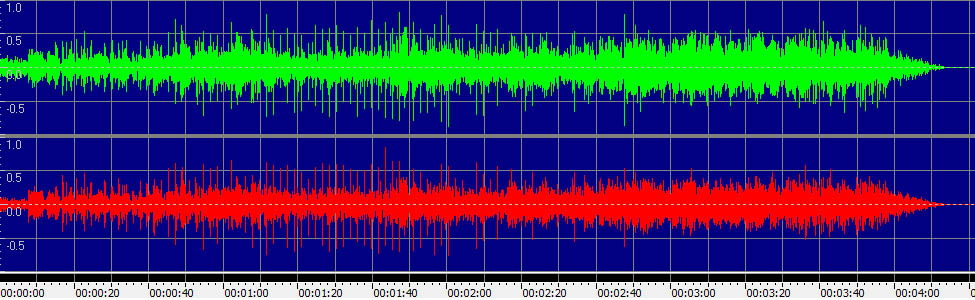
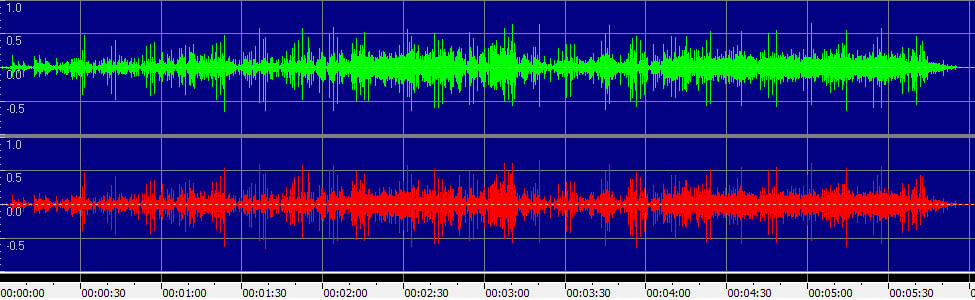
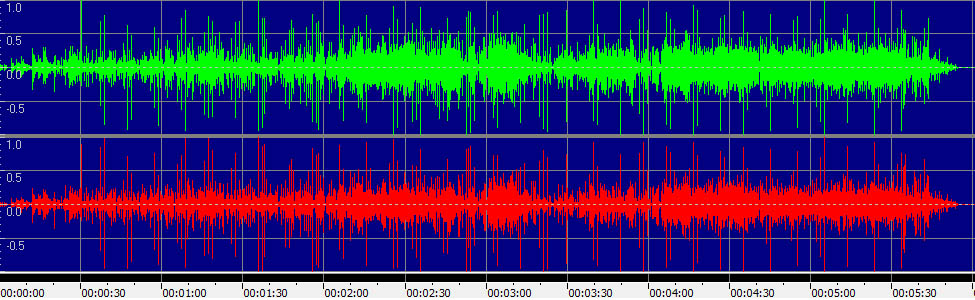
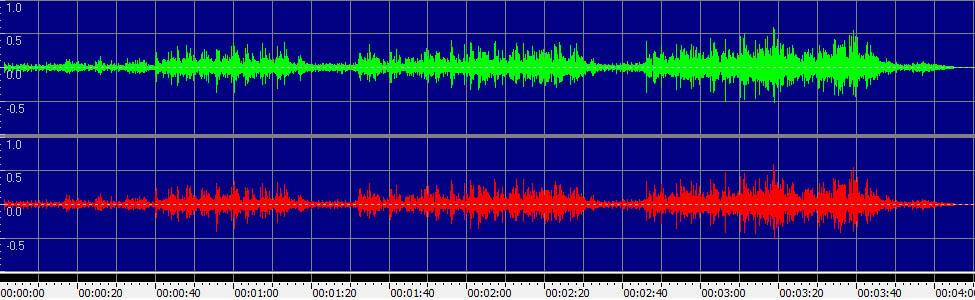
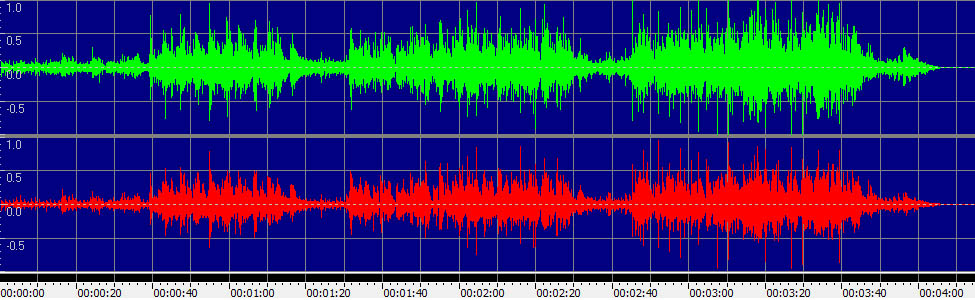
Note that the Deluxe Edition version of the album is being compared to the 1983 original compact disc release as the 1983 disc sounds when played through a proper CD player. The waveforms shown below for the 1983 release have been de-emphasized, and thus represent the actual intended sound of the disc, not what it sounds like when ripped via a computer and played back as WAV files. If you are not familiar with the phenomenon of pre-emphasis on some early compact discs, please have a look at this explanation before proceeding further with this comparison. To my knowledge, all compact disc releases of Can't Slow Down prior to 2003 are pre-emphasized.

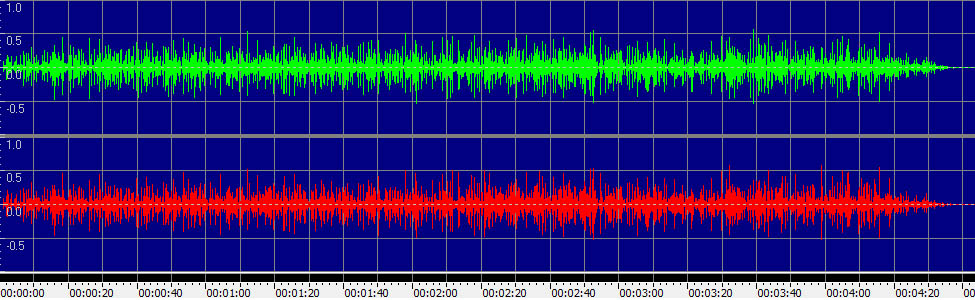
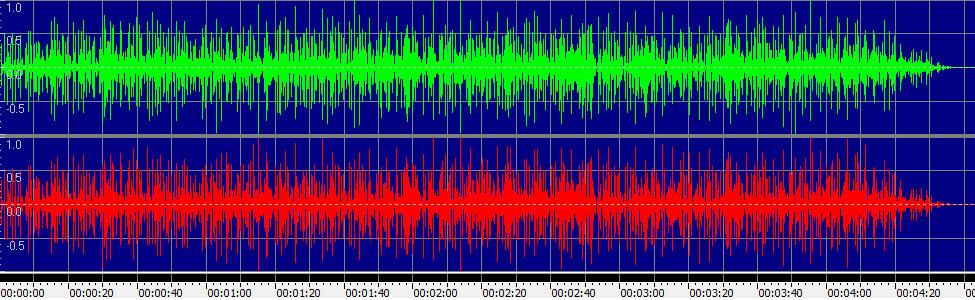
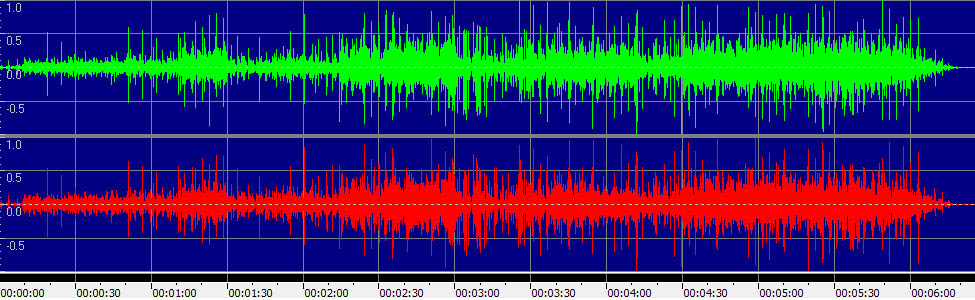
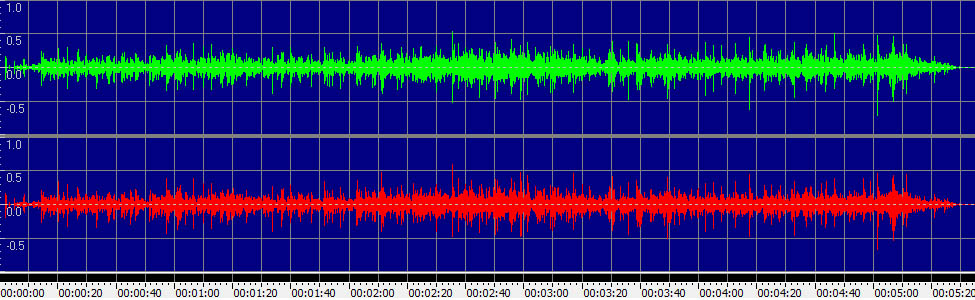
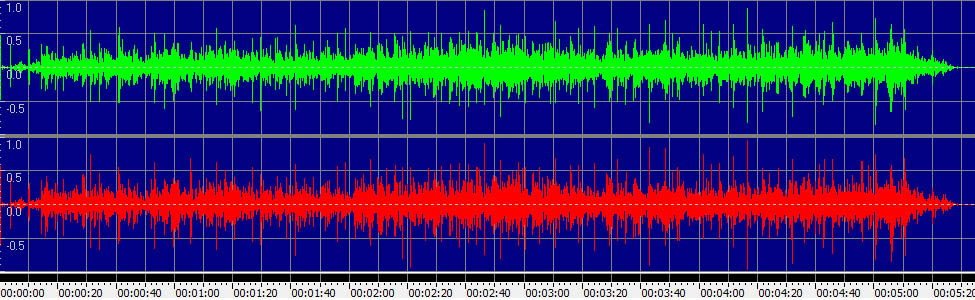
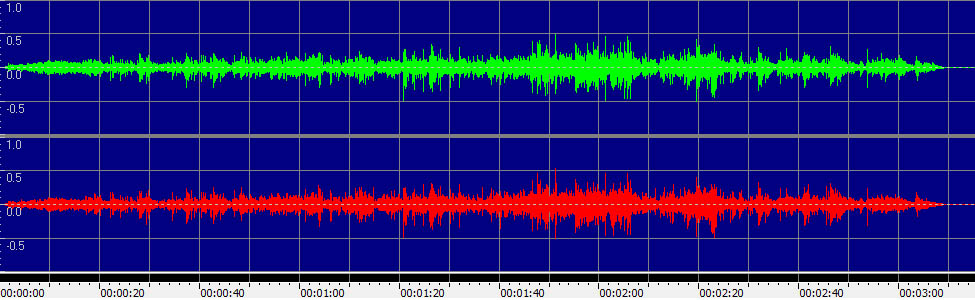
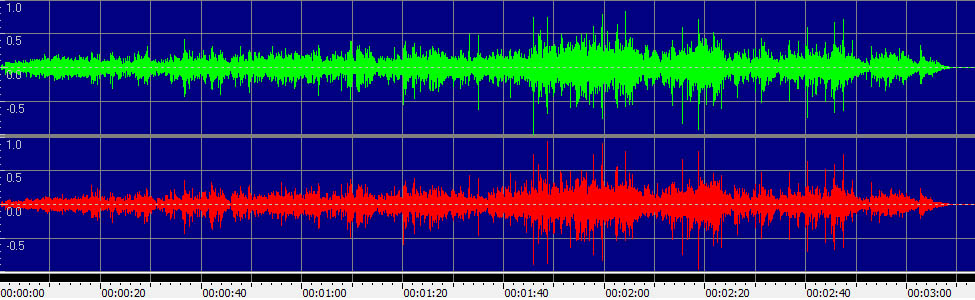
Can't Slow Down

Original 1983 CD release (de-emphasized)

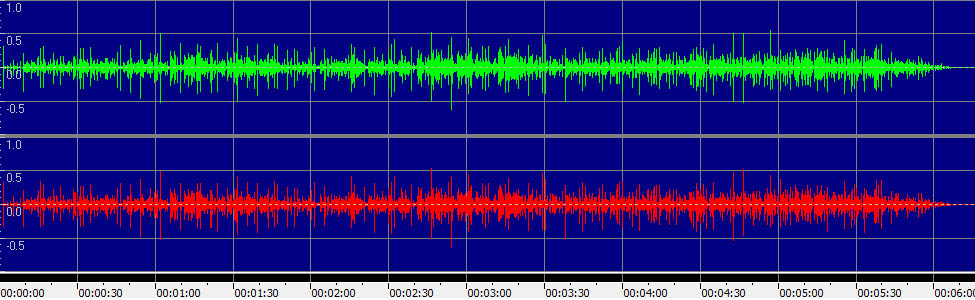
Can't Slow Down

2003 Deluxe Edition remaster

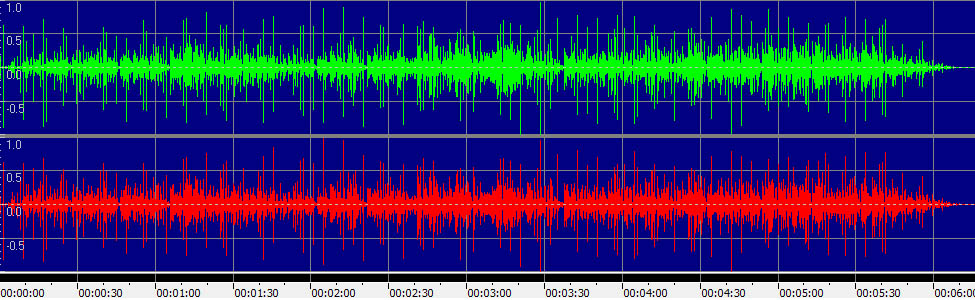
Can't Slow Down

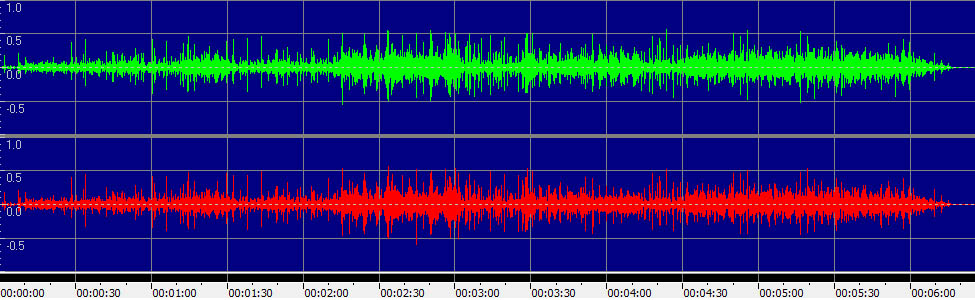
All Night Long (All Night)

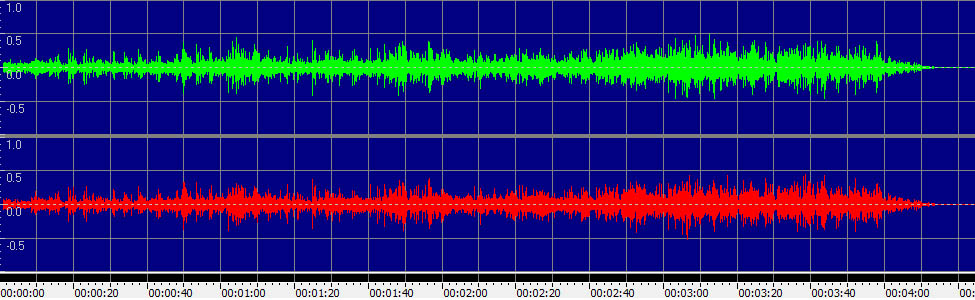
Original 1983 CD release (de-emphasized)

All Night Long (All Night)

2003 Deluxe Edition remaster

All Night Long (All Night)

Penny Lover

Original 1983 CD release (de-emphasized)

Penny Lover

2003 Deluxe Edition remaster

Penny Lover

Stuck on You

Original 1983 CD release (de-emphasized)

Stuck on You

2003 Deluxe Edition remaster

Stuck on You

Love Will Find a Way

Original 1983 CD release (de-emphasized)

Love Will Find a Way

2003 Deluxe Edition remaster

Love Will Find a Way

The Only One

Original 1983 CD release (de-emphasized)

The Only One

2003 Deluxe Edition remaster

The Only One

Running With the Night

Original 1983 CD release (de-emphasized)

Running With the Night

2003 Deluxe Edition remaster

Running With the Night

Hello

Original 1983 CD release (de-emphasized)

Hello

2003 Deluxe Edition remaster

Hello
And the winner is: Original 1983 CD release, but read on for the caveats. This is one of the essential R&B/pop albums of its day, producing a staggering five bona fide classics out of its eight songs. Arguments could be (and have been) made concerning Richie's alleged watering down of his Commodores-era R&B style in order to reach a wider audience, but whether or not that actually took place, the end result here is extremely listenable and enjoyable. This makes it all the more unusual that every CD release of this classic album issued prior to 2003 employed pre-emphasis in the audio mastering. One could be excused for expecting that at some earlier point, a non-emphasized master would have been created and marketed, but - as the discussions on all the various audiophile forums attest - this doesn't seem to have been the case. This means that, unless allowances are made to deal with this, the earlier, non-remastered versions of this abum risk sounding unnaturally sibilant and bright on certain playback equipment. When the audio playback is de-emphasized, the original release is the winner in audio quality over the remaster. I wouldn't call it a blowout, but when you compare original to remaster, the compression on the remaster becomes evident. Is it severe enough that I would say the remaster isn't worth having? Not quite - the added bonus material (mainly demos and single remixes) may be of interest to some, not to mention that the deluxe edition features a vastly improved print job for the album artwork and included CD booklet. If you're not one who's swayed by these extras, then the 1983 disc is the way to go from an audio standpoint. It's very common in the secondhand market, and as long as you play it in a traditional CD player, you should be good. But it's here that I have to point out the major caveats.

First, some technical concerns. There's been some debate about whether or not the PE decoder circuitry is still built into modern-day CD players. I can say that, in my own experience, I have yet to come across a traditional player that does not properly de-emphasize affected disc audio upon playback. This includes the player built into my car stereo, which I made a point of confirming with both this disc and a 1984 CD audio demonstration test disc in my possession. Are there newer players that don't do this? There might be, at least when it comes to some of the cheaper units. But by and large, the majority of traditional players seem to do this properly, be they my 1988 Denon audiophile CD player, my 1994 five disc changer, or even my 2014 standalone Blu-ray player. Thus, the main pain point when listening to pre-emphasized CDs is computer optical drives and - importantly in the modern listening environment - files ripped from these discs using software which doesn't properly decode the embedded PE flags and therefore doesn't de-emphasize the audio. Unfortunately, this is essentially every ripping program out there. The only ones I know of that can actually deal with pre-emphasized CDs are SoX and very old versions of Exact Audio Copy (Windows command line utilities which are not geared toward the average listener) and iTunes, though the quality of the iTunes rips is a subject of fierce debate in audiophile circles. Bottom line, if your intention is to rip CDs to audio files and experience them that way, and you're an "average" music consumer, your listening experience with the 1983 version of Can't Slow Down is unlikely to be a good one. I can't honestly recommend the pre-2003 discs in that case. And these days, that is likely to be the case for a high percentage of listeners.

I don't personally own a lot of pre-emphasized CDs. The practice, save for some outlier instances, was short-lived and mostly confined to some of the very earliest releases on the format. The way I've historically dealt with this issue for my media server has been to rip an affected disc's content to WAV files and then apply a de-emphasis equalization curve to them using Audacity. That is the method that has been employed here for this comparison. I've compared the altered audio files to direct playback of the CD on the same stereo equipment and the audio is a match, or at least close enough that it isn't of concern to me. The remaster, as evidenced by the waveforms above, is quite listenable in its own right, and to be honest, the added compression is something you're only likely to notice if you're either extremely familiar with the earlier CD release or you do a direct A/B comparison of the two discs with a critical ear. So while the official winner of this comparison is the 1983 disc (de-emphasized), it may not be the best option for all listeners.
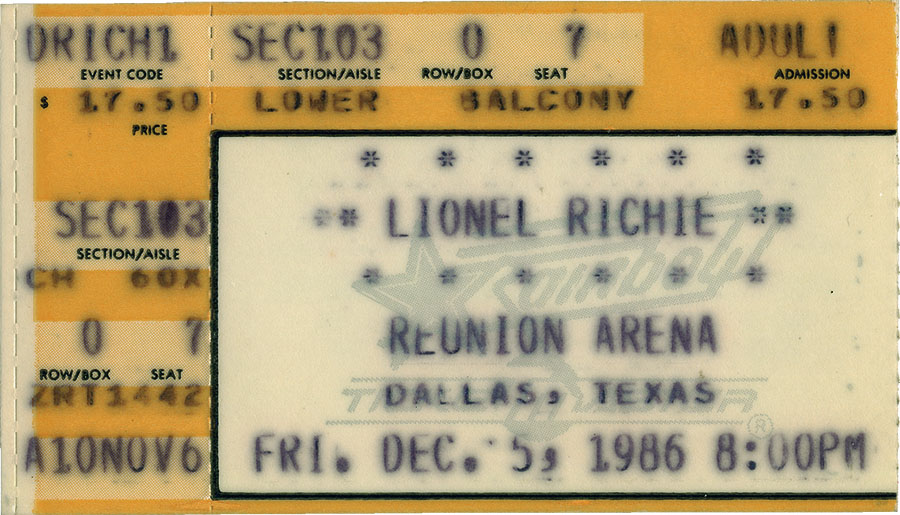
Lionel Richie concert ticket, December 5, 1986